
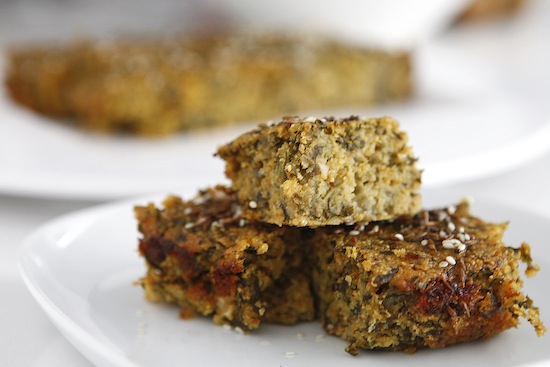
Gujarati cuisine is a treasure trove of foods that can surprise you with every bite. For the longest time, we have relished and spoken much about spongy dhoklas and silky khandvis. But it’s time other Gujarati marvels get their due, too. Dal Handvo is a delicious lentil-based snack hailing from the western side of the country. You can call it a savory cake.
Crisp on the outside and spongy soft inside, the dal handle is ideal for tea time or breakfast. It is generally made with a mix of dals. In this recipe of mixed dal handvo, Mumbai-based blogger Alpa Modi uses a protein-rich combination of urad dal, toor dal, chana dal, and moong dal. Protein helps fill you up. Feeling full makes you less likely to binge on anything heavy later. Protein, thus, plays an instrumental role in weight loss.

But before you start loading up on handvo, you must also know that the snack’s carb quotient is pretty high because of the white rice used; therefore, practice moderation. Consuming handvo occasionally will ensure you get a good dose of protein and antioxidants. Since the batter used here is fermented, it saves you many calories and is good for your gut.
Cooking Tips To Make Delicious Dal Handvo
1. Soak the dal in water for 4-5 hours. It ensures that your batter is smooth.
2. Drain the water from the dal-mix. Make sure you drain it well and then blend the dal-mix with curd for a smooth batter.
3. Keep the batter overnight in a warm place for fermentation.
The recipe was posted on YouTube, ‘ Something’s Cooking By Alpa.’ Try this at home and let us know how you like it.
Indian cuisine has a range of sweet dishes that can be incredibly humble and easy to make or may require a complex and physically intensive process (think soan papdi). When it comes to sweet snacks, we have a wide variety of those as well, starting from gujiya (sweet stuffed pastry), meethe pakode or gur ke pakode (jaggery fritters), moongfali ki Patti (chikki), gajak (made from white sesame seeds and jaggery), etc.
One such purely desi snack is the nankhatai – a type of shortbread cookie that you might remember being eaten widely in the 90s. In Delhi, nankhatai is also a winter street food sold across the city by vendors. They keep the tiny biscuits warm by placing them on a crude iron skillet, and you can buy them by the dozen or half a dozen to beat the winter chills and treat your taste buds to something soothing and comforting.
Nankhatai: The Secret To Making These Cookies To Perfection
Nankhatai is also known as kulcha-e-Khataye in Afghanistan and Iran. Although the biscuit is said to have originated from the Indian subcontinent, it is popular in neighboring Pakistan. Nankhatai sold on the streets might seem different from the version you may have eaten at a friend’s or neighbor’s house.
The cookie you find on the streets might have a more crumbly texture with a dark golden brown top, but the homemade version may be denser and lighter in color and sometimes topped with chopped nuts, pistachios, and almonds. However, what doesn’t change is the buttery aftertaste of the cookie that is devoured during tea time. The cookie is flavored with cardamom or elaichi and made from refined flour and gram flour.

